

RF Control Systems for the Future of Quantum Computing
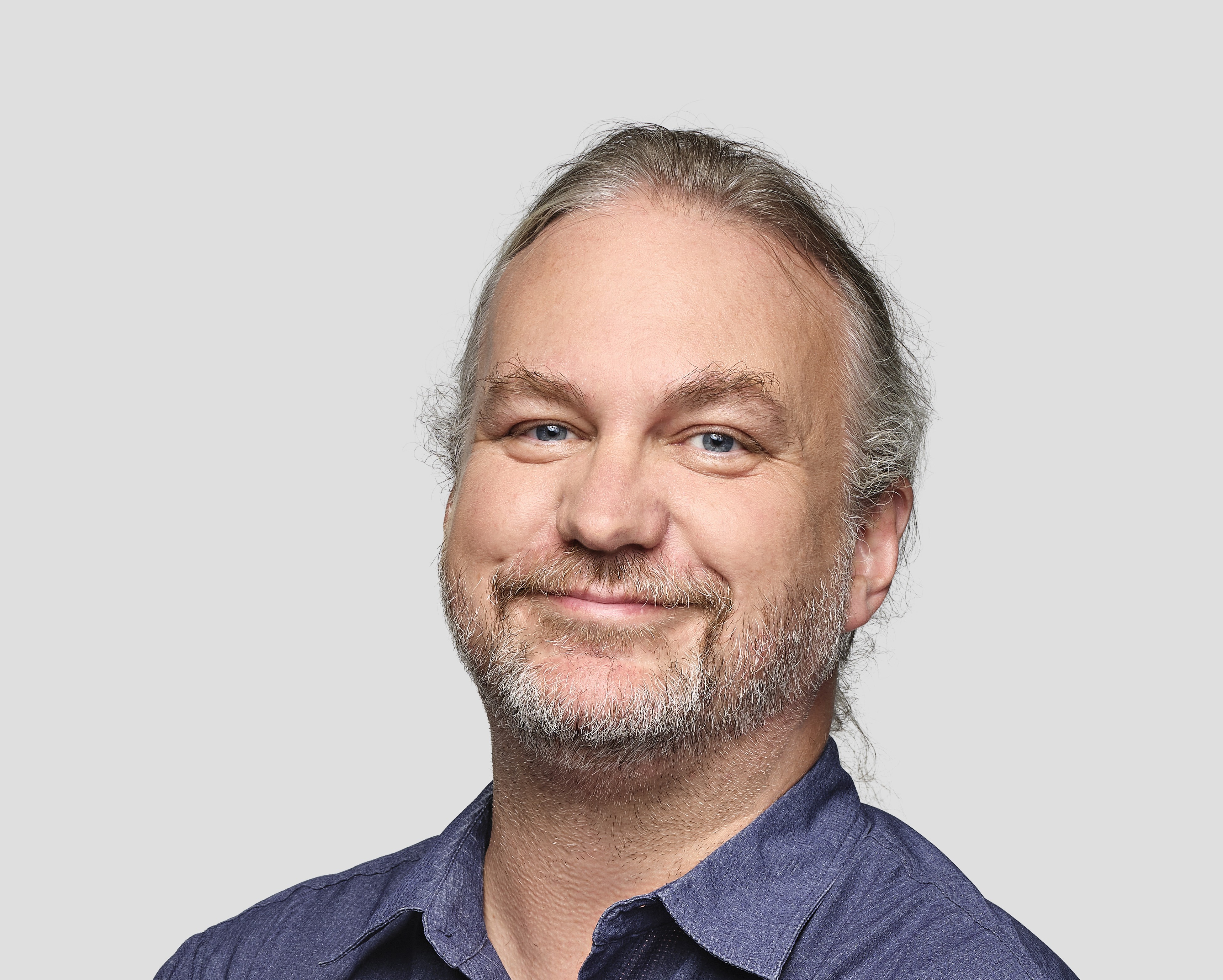
Dr. Oliver Dial, IBM
 Abstract: Quantum computing is at an inflection point. Three years ago, we had the first instances of quantum computers performing calculations that could not be directly simulated. This year, we believe quantum advantage will be demonstrated: verifiable examples of quantum computers performing calculations faster or more accurately than is possible on classical computer. However, unlocking the full power of quantum computing will require large-scale fault tolerant quantum computers: computers able to run hundreds of millions of operations on thousands of qubits with no errors. Advances in the error correcting codes that, in principle, make this possible have greatly reduced the overhead of such a machine, to the extent we now believe it will be possible by 2029. However, even with these advances, these machines will have tens of thousands of qubits. Controlling them will require the rapid maturation of quantum control systems, demanding new, dense, reliable, and low power microwave signal generators, wiring, and passives to be designed, tested, and manufactured in the next few years. I will discuss how we foresee this evolving, and some of the requirements these RF control systems will have to achieve.
Bio: Dr Oliver Dial was named an IBM Fellow in 2021 for his contributions to quantum computing hardware. He is VP of Quantum Systems at IBM, ensuring IBM’s quantum hardware and software together deliver an outstanding experience. Oliver received his PhD from MIT in 2007 for research in two-dimensional electron and hole systems. He then entered the field of quantum computing as a post-doc at Harvard, demonstrating the first two-qubit gate between semiconductor singlet-triplet qubits and performing pioneering charge noise spectroscopy in these systems. He joined IBM as a research scientist in 2012.
RF-CMOS at 25: Some Unique Concepts that Endure
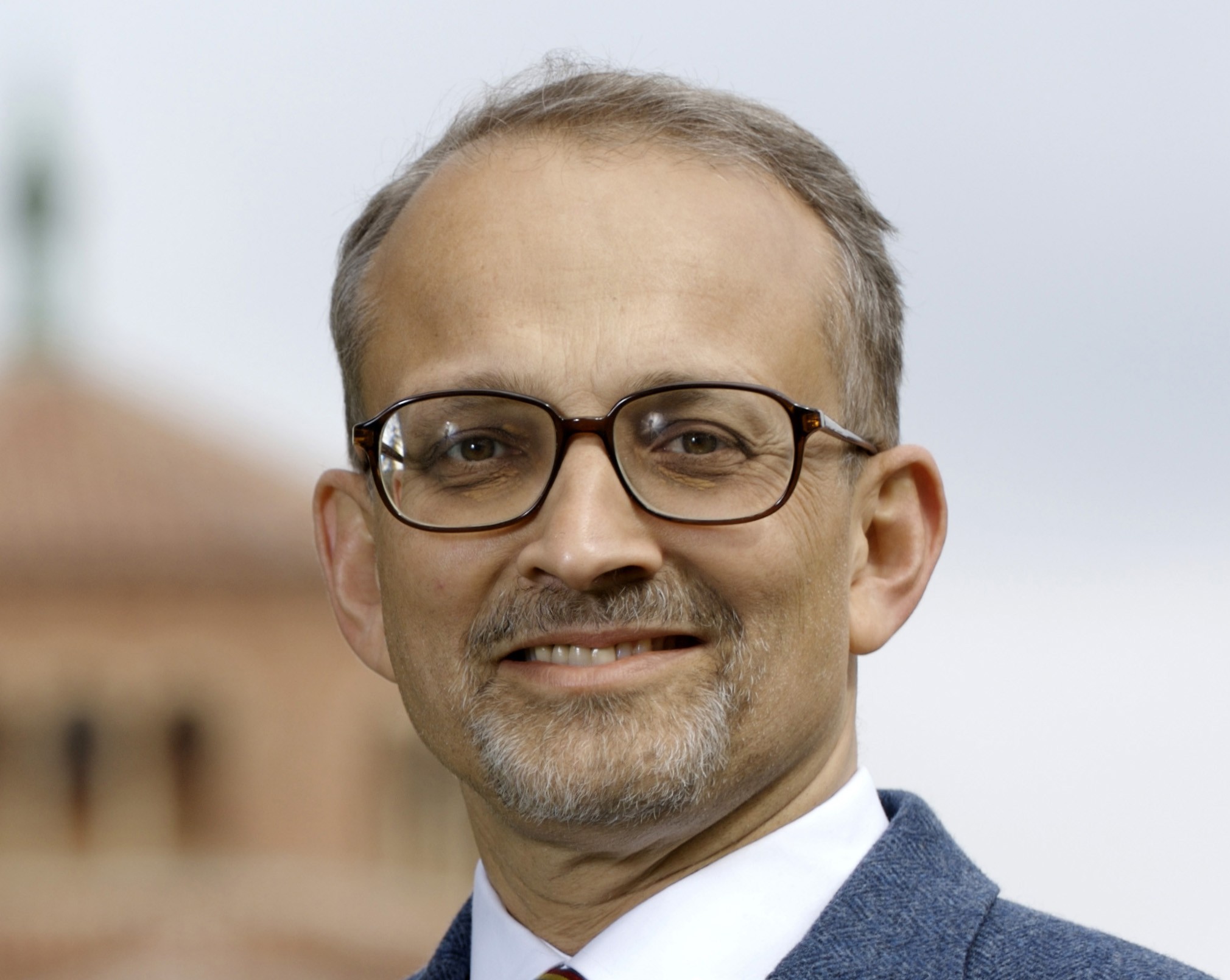
Professor Asad Abidi, University of California, Los Angeles
 Abstract: It would be wrong to view the dramatic rise of CMOS in mass-produced RF electronics as merely a way to lower costs or integrate more on a chip. CMOS introduced unprecedented circuits and architectures, enabling fine-grained calibration, substantial improvements in blocker tolerance, monolithic replacement of oscillator modules, and digital closer to the antenna. Today, complete RF-CMOS transceivers (except for a front-end module) are but a small piece of large mixed-signal systems-on-a-chip. The Internet is accessed at high speeds primarily through wireless connections. IoT devices are gradually proliferating in both built and remote environments. Wireless sensing is everywhere. This presentation will select a handful of concepts and describe, in accessible technical terms, what makes them endure.
Bio: Asad Abidi received the B Sc. degree in Electrical Engineering from Imperial College, London in 1976, and the Ph D. from the University of California, Berkeley in 1982. He worked at Bell Laboratories, Murray Hill until 1985, and then joined the faculty of the University of California, Los Angeles where he is Distinguished Professor of Electrical Engineering. With his students he has developed many of the radio circuits and architectures that enable today’s mobile devices. Professor Abidi has received the 2008 IEEE Donald O. Pederson Award in Solid-State Circuits and the 2012 and 2022 Best Paper Awards from the IEEE Journal of Solid-State Circuits. In 2015, he was named an Outstanding Alumnus of the Berkeley EECS Department. He was elected Fellow of IEEE in 1996, Member of the US National Academy of Engineering in 2007, and Fellow of TWAS, the world academy of sciences, in 2010.